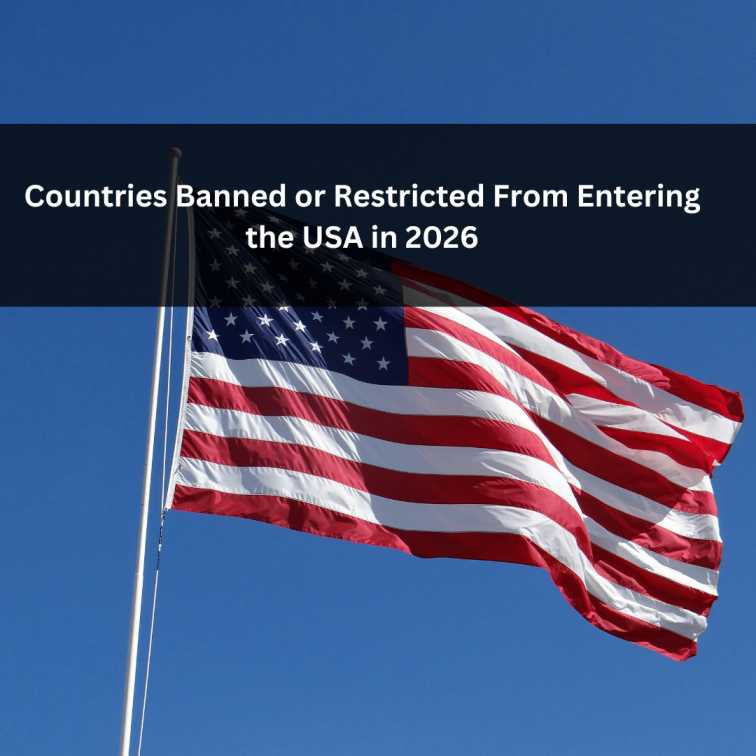
As the world prepares for travel in 2026, the United States has significantly expanded its travel ban and entry restrictions, affecting citizens of nearly 39 countries. These changes — set to take effect January 1, 2026 — go beyond earlier travel bans and are part of a major shift in U.S. immigration and security policy. (euronews)
Why These Countries Were Included
U.S. officials have cited national security concerns, weak vetting systems, and data-sharing issues as the primary reasons for the expanded travel restrictions. The government says that citizens of many affected countries come from regions with:
- Inadequate screening and identity verification infrastructure
- High rates of visa overstays
- Poor cooperation on deportations and immigration enforcement
- Instability or lack of reliable civil documentation
These issues, officials argue, make it difficult for U.S. authorities to properly vet travelers before entry, leading to broader restrictions on visas and entry. (euronews)
The expansion follows political pressure and several high-profile security incidents that U.S. authorities say underscored the need for stricter border security and travel vetting. (infobae)
Countries Fully Banned From Entering the United States in 2026
Nationals of the following countries face a complete suspension of entry unless they qualify for specific exemptions (such as holding valid visas issued before January 1, being lawful permanent residents, or having diplomatic or national-interest exceptions):
- Afghanistan
- Burma (Myanmar)
- Chad
- Republic of the Congo
- Equatorial Guinea
- Eritrea
- Haiti
- Iran
- Libya
- Somalia
- Sudan
- Yemen
- Burkina Faso
- Laos
- Mali
- Niger
- Sierra Leone
- South Sudan
- Syria
- Palestinian Authority travel document holders (euronews)
Countries With Partial Entry Restrictions
The United States has also imposed partial restrictions on travel and certain visas — especially visitor, student, and exchange visas — for citizens of these additional countries:
- Angola
- Antigua and Barbuda
- Benin
- Côte d’Ivoire (Ivory Coast)
- Dominica
- Gabon
- The Gambia
- Malawi
- Mauritania
- Nigeria
- Senegal
- Tanzania
- Tonga
- Zambia
- Zimbabwe (euronews)
These partial restrictions often affect nonimmigrant visas (such as B‑1/B‑2, F/M/J) and may involve increased vetting or screening requirements, while immigrant visas may also be limited. (euronews)
When It Takes Effect
The expanded ban and restrictions are scheduled to begin 12:01 a.m. Eastern Standard Time on January 1, 2026. Travelers from affected countries who are outside the U.S. and do not already hold a valid visa may find their entry denied or delayed. (euronews)
Who Is Exempt or Not Affected
Despite the new limits, several exceptions still exist. Those who may still enter the United States include:
- Lawful permanent residents (Green Card holders)
- Travelers with valid existing visas issued before January 1, 2026
- Diplomats and certain government officials
- Individuals whose entry is deemed in the national interest
- Dual nationals entering on a passport from a country not on the list (euronews)
What Travelers Should Know
- The expanded travel ban does not automatically cancel visas already issued, but it may affect new visa processing. (euronews)
- Students and visitors from affected countries should plan carefully and check their visa status before scheduling travel or appointments at U.S. consulates. (euronews)
- Travelers should consult official U.S. government and embassy sources for guidance specific to their situation.
Check other travel News: