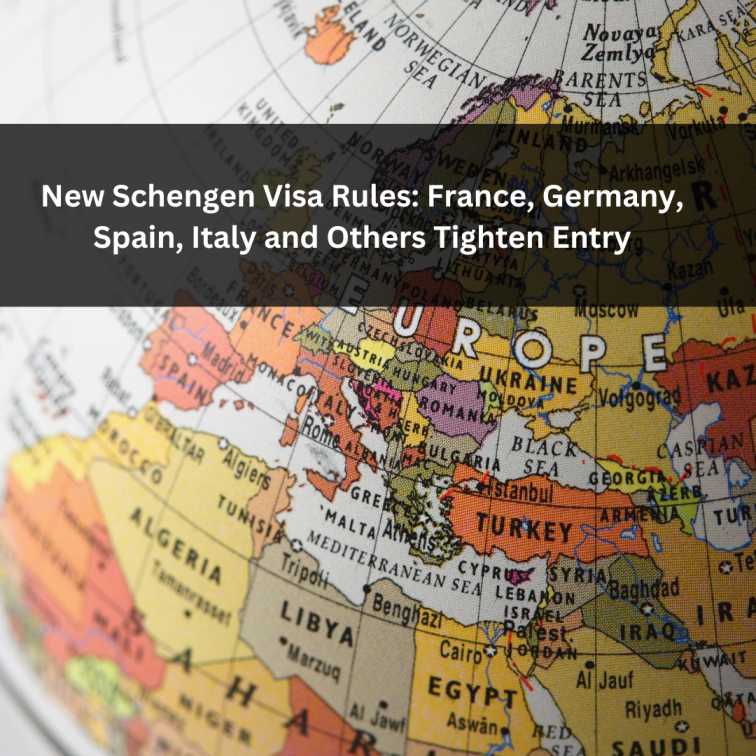
From 2026, France will officially join Italy, Spain, Germany, the Netherlands, Belgium, and several other Schengen countries in enforcing stricter visa and border entry regulations. These changes are part of a wider European Union strategy aimed at strengthening border security, improving migration control, and modernizing entry procedures through digital systems such as the European Travel Information and Authorisation System (ETIAS).
While the reforms are intended to enhance security and efficiency, they are expected to significantly disrupt travel across Europe, especially for visitors from non-EU countries. Travelers should anticipate tighter entry controls, longer processing times, increased scrutiny, and potentially higher visa rejection rates as the new systems are rolled out across the Schengen Area.
What Is Changing Across the Schengen Area?
The new Schengen visa framework introduces stricter documentation requirements, expanded biometric screening, and mandatory digital travel authorisations. A key component of this shift is ETIAS, which will apply to visa-exempt travelers and require pre-travel authorization before entering most European countries.
Because implementation will be phased and uneven across member states, travelers may experience inconsistencies, confusion, and delays—particularly during the transition period in 2026.
France: Tougher Documentation and Health Requirements
France is tightening its visa policies, particularly for applicants from countries considered high-risk for irregular migration. Travelers will be required to submit more detailed supporting documents, including:
- Proof of accommodation
- Valid travel insurance
- Evidence of sufficient financial means
In addition, health-related documentation—such as vaccination records or medical certificates—may be required depending on global health conditions at the time of travel. The introduction of ETIAS will further increase reliance on digital records, making accuracy and completeness of applications more critical than ever.
These additional layers of scrutiny are expected to lead to longer processing times and higher rejection rates, especially for applicants from developing countries.
Italy: Rising Rejections and Inconsistent Consular Practices
Italy has recorded a noticeable increase in visa rejections, particularly among applicants from African and Middle Eastern countries. This shift is largely driven by concerns over irregular migration across the Mediterranean.
One ongoing challenge is regional inconsistency, as visa requirements and enforcement standards can vary between Italian consulates. This lack of uniformity has caused confusion for applicants, especially those applying from different countries.
Italy is also introducing the European Entry/Exit System (EES), a biometric system designed to track travelers entering and leaving the Schengen Area. While EES aims to standardize border procedures, its gradual rollout could initially cause border delays and technical disruptions.
Spain: Digital Borders and Increased Security Checks
Spain, one of Europe’s most visited destinations, is rapidly integrating biometric screening and digital border technologies. The introduction of ETIAS and expanded security checks is expected to improve long-term efficiency but may cause short-term congestion and delays.
Spanish consulates are also exercising greater caution when assessing visa applications from countries with high overstay or migration risks. Combined with ongoing digitalisation of visa processes, travelers should expect more complex applications and longer approval timelines.
Germany: Heightened Scrutiny and Longer Processing Times
Germany has intensified its review of visa applications, particularly focusing on applicants’ ties to their home countries to reduce overstaying risks. Proof of employment, family connections, and financial stability has become increasingly important.
Many applicants have already reported processing delays lasting several weeks, and the introduction of ETIAS is expected to add another procedural step. While Germany supports the EU’s digital transition, travelers may face temporary bottlenecks as systems are fully implemented.
Netherlands: New Barriers for Frequent Travelers
The Netherlands has introduced stricter entry standards, even for travelers who frequently visit Europe. Applicants from countries with lower return rates are now required to provide additional proof of employment, residence, or family ties.
As the Netherlands adopts both ETIAS and the Entry/Exit System, travelers unfamiliar with digital border systems may face challenges. Although these tools aim to improve efficiency, they are likely to cause initial delays and higher rejection rates.
Belgium: Digital Transition with Ongoing Inconsistencies
Belgium is working to align its visa procedures with new EU-wide digital systems. However, uneven implementation across consulates remains an issue, leading to inconsistencies in application handling.
Rejection rates have increased, particularly for applicants from countries identified as high-risk for irregular migration. With the introduction of biometric passports and ETIAS, applicants should prepare for slower processing times and stricter reviews.
What This Means for Travelers in 2026
As France joins other Schengen countries in enforcing the new visa framework, travel to Europe will become more regulated and complex. The rollout of ETIAS and biometric systems will bring:
- Stricter documentation requirements
- Increased visa rejection rates
- Longer processing and border wait times
- Greater reliance on digital travel systems
Final Thoughts
The 2026 Schengen visa reforms mark a major shift in how Europe manages international travel. While the new rules aim to enhance border security and modernize entry systems, they will undoubtedly create short-term disruptions and added challenges for travelers.
Anyone planning to visit Europe should apply early, prepare comprehensive documentation, and closely monitor official updates from embassies and immigration authorities to avoid delays or denials.