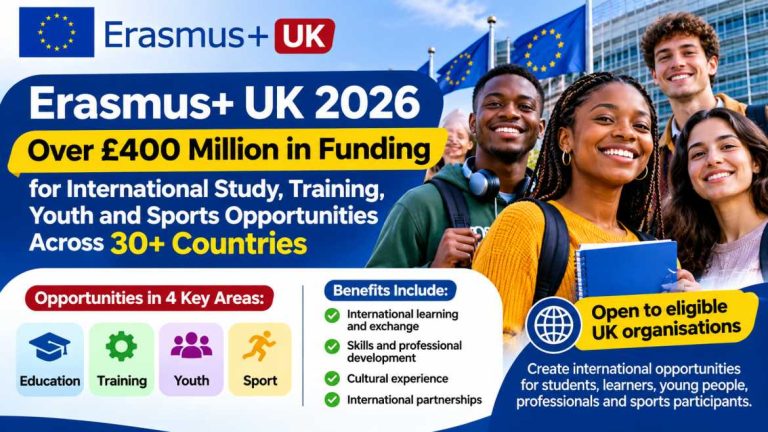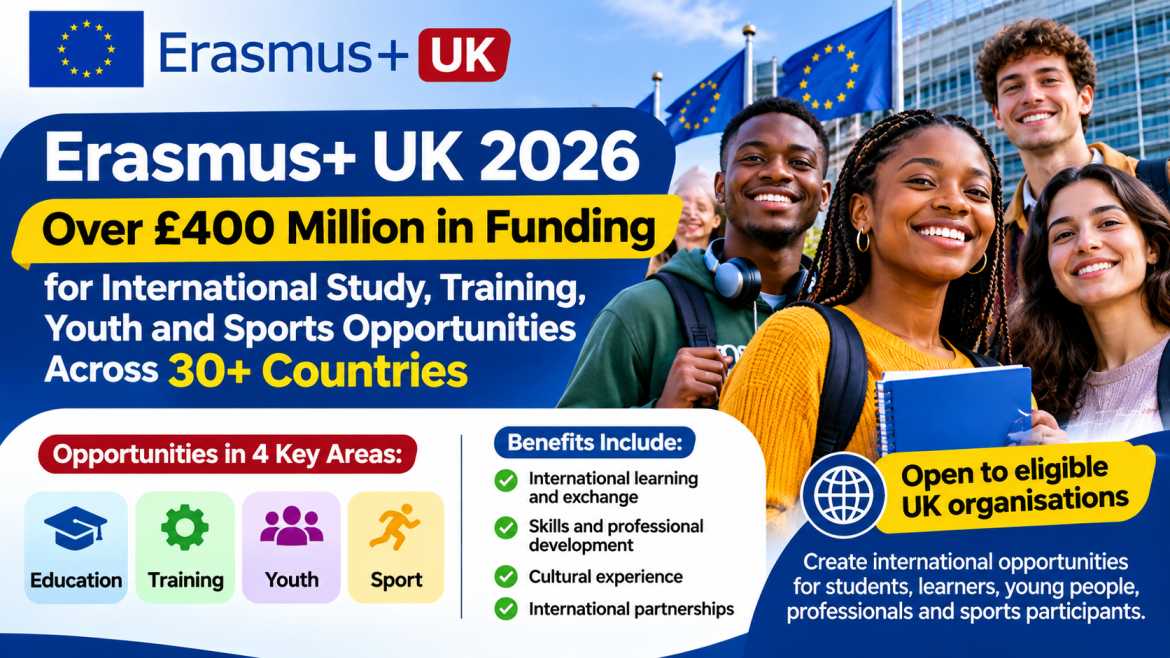
The Erasmus+ Programme is offering more than £400 million in funding for 2026 to support international education, professional training, youth development and sports activities involving eligible organisations across the United Kingdom.
Through this initiative, schools, universities, vocational training institutions, youth organisations and sports organisations can access funding to develop international partnerships, organise learning exchanges and create opportunities for participants to gain experience in other countries.
The programme supports international cooperation across more than 30 countries, providing opportunities for learners, students, educators, professionals and young people to develop new skills, exchange knowledge and experience different cultures.
However, it is important to understand that Erasmus+ UK is not a single scholarship programme where individuals can independently apply for a share of the £400 million. Funding is primarily accessed through eligible organisations that organise approved activities and projects.
About the Erasmus+ Programme
Erasmus+ is an international programme supporting education, training, youth development and sport through funding for learning mobility and cooperation between organisations.
The initiative enables participating institutions to work with international partners, organise educational exchanges, develop professional skills and introduce innovative approaches to learning and development.
For 2026, more than £400 million has been made available to support eligible UK organisations working across the programme’s four major sectors.
The programme also creates opportunities for participants to experience international learning environments, build professional relationships and gain exposure to different educational systems and working practices.
Key Features of Erasmus+ UK 2026
Some of the main features include:
- Over £400 million in funding: Financial support for eligible UK organisations working in education, training, youth and sport.
- International learning: Opportunities to study, train and gain practical experience abroad.
- Access to 30+ countries: Supported activities allow participants and organisations to connect across Europe and beyond.
- International partnerships: Institutions can collaborate with organisations in participating countries.
- Professional development: Participants can strengthen their knowledge, practical abilities and career prospects.
- Cultural exchange: Opportunities to interact with people from different backgrounds and experience new environments.
- Institutional cooperation: Organisations can exchange expertise and develop projects addressing shared challenges.
Erasmus+ Opportunities by Sector
The programme supports four main areas, each offering different activities and funding possibilities.
1. Education: The education sector supports international learning and cooperation involving schools, universities and other educational institutions.
Possible activities include:
- International learning exchanges.
- Cooperation between educational institutions.
- Professional development for teachers and educators.
- Sharing teaching methods and educational resources.
- Collaborative projects involving institutions in different countries.
These activities help institutions improve their educational programmes while giving learners and staff opportunities to experience different learning environments.
2. Training: The training sector focuses on practical knowledge, vocational education and professional development.
Activities may include:
- Vocational and professional training.
- Workplace learning and international placements.
- Skills development and knowledge exchange.
- Professional networking.
- Training partnerships between organisations.
- Sharing innovative workforce development approaches.
Participants can gain exposure to international working environments and learn from professionals in different countries.
3. Youth: The youth sector supports initiatives that help young people develop their abilities, participate in international activities and engage with people from different backgrounds.
Possible activities include:
- Youth exchanges.
- Non-formal education.
- Youth participation and engagement.
- Leadership and personal development.
- Intercultural learning.
- Collaboration between youth organisations.
- Skills development and social inclusion.
These experiences can help young people build confidence, improve communication skills and become more involved in their communities.
4. Sport: The sport sector supports international cooperation between organisations involved in sporting activities.
Potential activities include:
- International partnerships between sports organisations.
- Exchange of sporting knowledge and experience.
- Development of inclusive sporting activities.
- Sharing good practices in sports education.
- Collaboration between sports professionals and institutions.
- Projects encouraging participation in physical activity.
Benefits of Participating in Erasmus+
Erasmus+ offers advantages to both individual participants and the organisations responsible for coordinating funded activities.
Benefits for individuals
Participants may gain:
- International experience through learning and training activities.
- New practical, communication and teamwork skills.
- Greater confidence and independence.
- Exposure to different cultures and professional environments.
- Opportunities to build international networks.
- Experience that can strengthen their future career prospects.
Benefits for organisations
Participating organisations can also benefit through:
- Establishing international partnerships.
- Exchanging knowledge and professional expertise.
- Improving educational and training activities.
- Exploring innovative approaches to existing challenges.
- Expanding international networks.
- Creating new opportunities for learners, employees and young people.
- Strengthening their institutional capacity.
Who Can Participate?
The programme is designed to support different types of organisations and the people they serve.
Potential participants include:
- Students and learners.
- Teachers and educational staff.
- Vocational training students and professionals.
- Young people involved in eligible youth activities.
- Youth workers and youth organisations.
- Sports professionals and organisations.
- Educational institutions and other eligible organisations.
However, individual eligibility depends on the specific Erasmus+ activity and the organisation coordinating it.
People interested in participating should therefore identify organisations in their country or institution that are involved in Erasmus+ projects.
Important: The £400 million funding announcement is for eligible UK organisations. It does not mean that every international applicant can independently receive a grant or travel to the UK. Opportunities for participants depend on the approved project, its eligibility rules and available places.
How to Get Started with Erasmus+ UK 2026
Organisations interested in accessing funding should follow the relevant programme guidance and application procedures.
The general steps include:
- Learn about the programme: Explore its objectives, funding opportunities and eligible activities.
- Identify your sector: Determine whether your organisation’s work falls under education, training, youth or sport.
- Register your organisation: Follow the applicable registration procedures before applying.
- Identify a suitable funding opportunity: Review the available calls and select one that matches your organisation’s objectives.
- Prepare your project proposal: Explain the project’s goals, planned activities, expected outcomes and relevance to Erasmus+ priorities.
- Explore international partnerships: Identify potential partner organisations in participating countries.
- Submit your application: Follow the official instructions and submit before the deadline for the selected funding call.
Each funding opportunity may have different requirements, application procedures and closing dates.
Free Erasmus+ Information Webinar
Organisations that are unfamiliar with the programme can attend a free information webinar to understand the available opportunities.
The webinar is intended to explain the programme’s sectors, funding possibilities and steps involved in preparing an application.
It may be particularly useful for educational institutions, youth organisations, training providers and sports organisations considering international partnerships.
Application Deadline
The announcement does not provide one universal application deadline for the entire Erasmus+ UK 2026 programme.
Different funding opportunities have their own application windows and submission requirements. Organisations should consult the official guidance for their selected funding call before preparing an application.
How to Apply for Erasmus+ UK 2026
Interested organisations should begin by visiting the official Erasmus+ UK website, where they can explore the available funding opportunities, registration procedures and application guidance.
OFFICIAL WEBSITE AND APPLICATION INFORMATION
Check other opportunities:
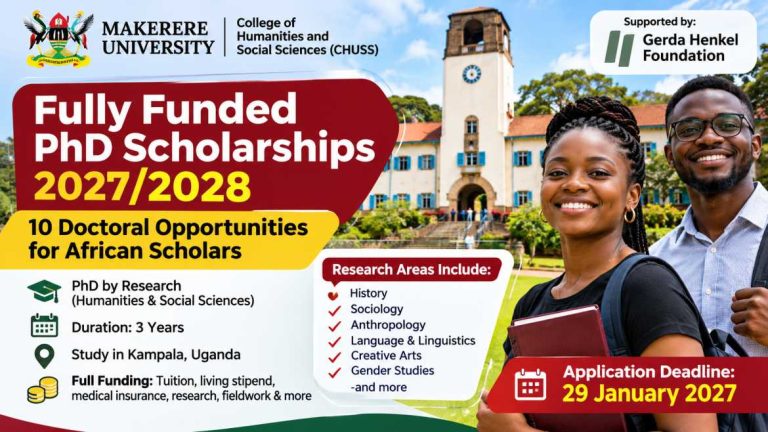
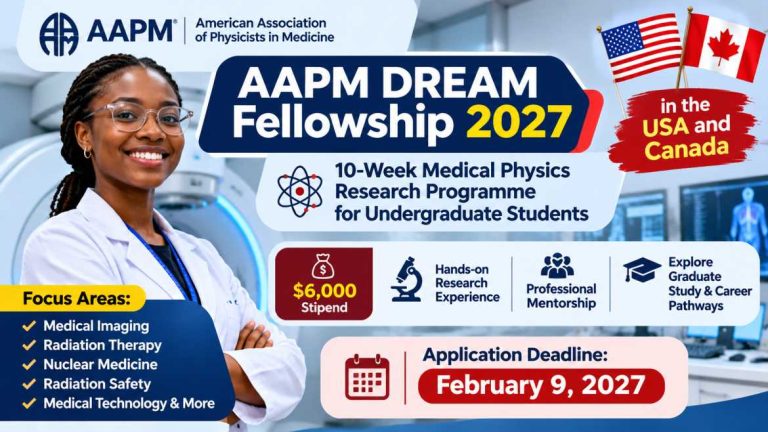
AAPM DREAM Fellowship 2027 in the USA and Canada: $6,000 Stipend for Undergraduate Students
Makerere University Fully Funded PhD Scholarships 2027/2028: 10 Opportunities for African Scholars
WHO Summer School 2027 in France: Free Four-Day Public Health Training in Nice
Council of Europe Youth Delegates Programme 2027 in France (Fully Funded Travel and Accommodation)
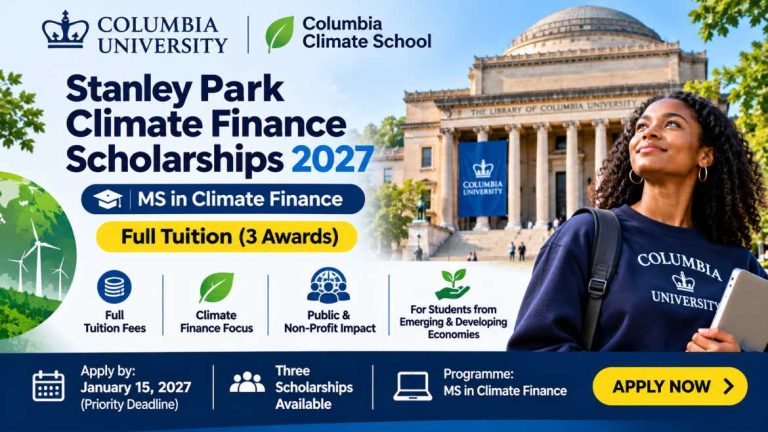
Columbia University Climate Finance Scholarships 2027 (Full Tuition)